




The way Cape Town families heat their homes is changing. Every winter, thousands of Cape Town households pull portable heaters out of storage and wait for their rooms to warm up. It is a familiar routine. But over the last few years, more families across the Cape Peninsula have started making a different choice. They are having reverse cycle air conditioners installed and leaving the portable heaters packed away for good.
This shift is not happening by accident. It reflects a growing understanding of how the two options compare when it comes to running costs, comfort, safety, and long term value. Once families understand the full picture, the decision tends to become straightforward.
What a Portable Heater Actually Costs to Run
Portable heaters are inexpensive to buy. A decent oil heater or fan heater can be purchased for a few hundred rand, which makes them feel like an accessible solution when the cold arrives. The problem is not the purchase price. The problem is what happens every time you switch one on.
Most portable electric heaters convert electrical energy into heat at a one to one ratio. Every kilowatt of electricity they draw produces one kilowatt of heat output. A standard 2kW fan heater draws 2kW from the wall to deliver 2kW of warmth. This sounds efficient in theory, but in practice it means the heater is working at maximum electrical draw every time it runs. There is no adjustment, no modulation, and no way for the heater to reduce its consumption once the room is warm. It simply stays on at full power until you switch it off.
With Eskom tariffs continuing to rise in South Africa, running a 2kW heater for four to six hours each evening adds up quickly over a Cape Town winter. Households that use multiple heaters in different rooms compound this cost significantly. Many families only realise how much their heaters are costing them when their electricity bill arrives in July or August.
How a Reverse Cycle Aircon Heats Differently
A reverse cycle air conditioner does not generate heat the way a portable heater does. Instead of converting electricity directly into warmth, it moves heat from outside the building to inside. Even on a cold Cape Town winter morning, there is usable heat energy in the outdoor air. The system extracts that energy and transfers it indoors.
This process, which is called heat pump technology, allows the system to deliver significantly more heat output than the electricity it consumes. A quality inverter aircon can produce three to four kilowatts of heat for every one kilowatt of electricity it draws. This ratio is referred to as the Coefficient of Performance, and it is the reason why reverse cycle systems are so much cheaper to run than direct electric heating.
In practical terms, a family that switches from two portable heaters to a correctly sized reverse cycle aircon will typically see a meaningful reduction in their winter electricity consumption. The exact saving depends on how long the heaters were running and the size of the space being heated, but the direction of the change is consistent. Inverter aircons cost less to run.
Consistent Temperature vs Cycles of Hot and Cold
One of the most common complaints about portable heaters is that they heat unevenly. A fan heater pushes warm air in one direction, creating a warm zone near the unit and leaving the rest of the room noticeably cooler. An oil heater radiates heat from a single point, which means the area closest to the heater gets warm while the far end of the room stays cold. People end up sitting close to the heater rather than being comfortable anywhere in the room.
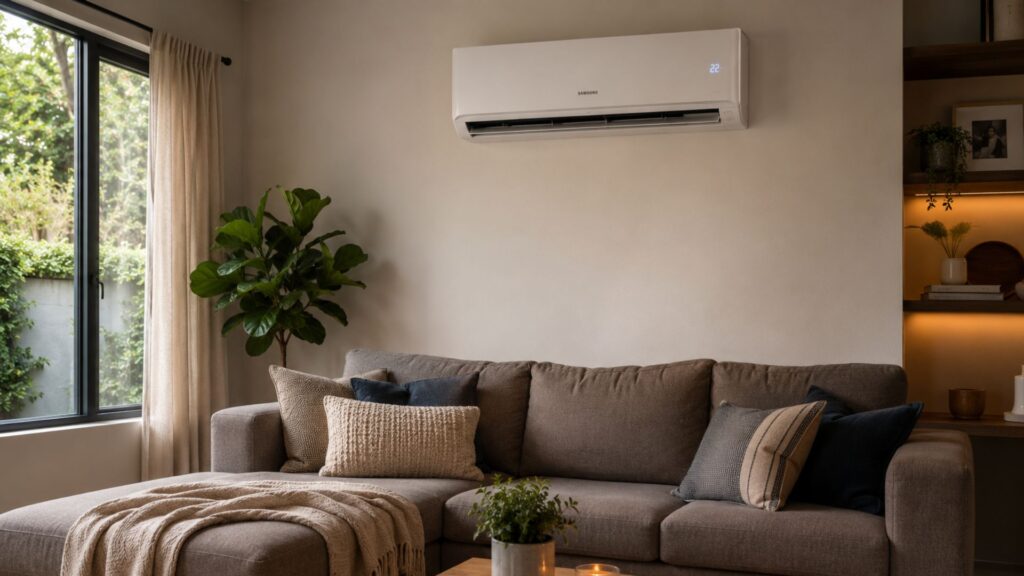
A wall mounted split system aircon distributes conditioned air across the full width of the room from an elevated position. The indoor unit is designed to circulate air effectively through the entire space. Modern inverter systems maintain the target temperature within a narrow range, so the room does not swing between too warm and too cool as the heater cycles on and off. The temperature you set is the temperature the room holds, consistently, without you needing to adjust anything.
For families with young children or elderly relatives, this kind of stable, whole room warmth makes a real difference to daily comfort during the winter months.
The Safety Factors Families Do Not Always Consider
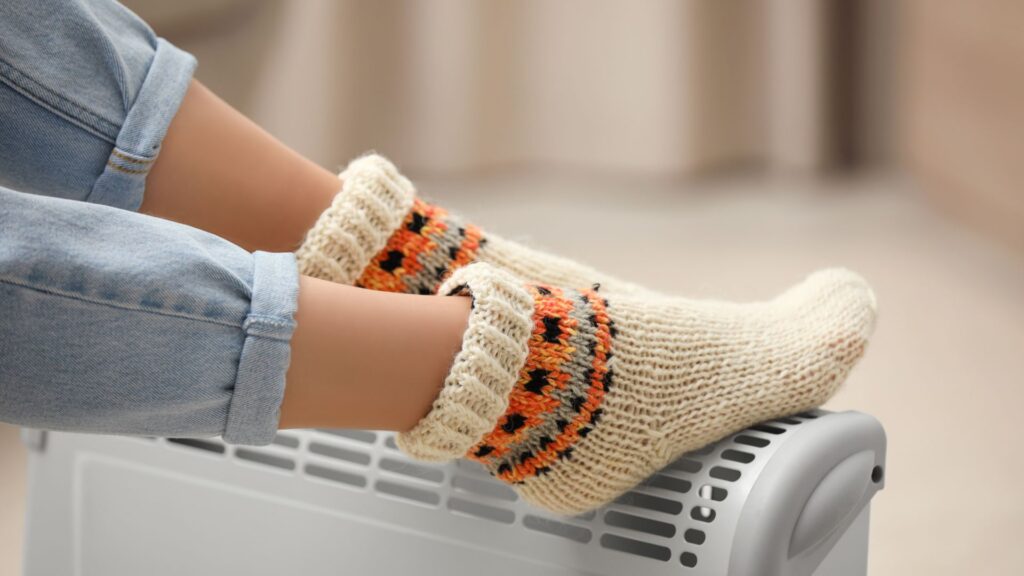
Portable heaters carry risks that are easy to overlook when you are focused on staying warm. Fire safety statistics in South Africa consistently identify portable heaters as a significant cause of residential fires, particularly during winter. The risk increases when heaters are left on overnight, placed near curtains or bedding, used in rooms where young children are present, or operated on extension cords that are not rated for the electrical load.
Oil heaters and fan heaters reach high surface temperatures during operation. Children and pets can be burned by contact with a heater that is left on the floor. Heaters placed near flammable materials such as curtains, rugs, or wooden furniture present a genuine fire risk, particularly in older Cape Town homes where timber flooring and sash windows are common.
A wall mounted air conditioner eliminates these risks entirely. The indoor unit is mounted high on the wall, well out of reach of children and pets. There are no exposed heating elements, no high surface temperatures, and no risk of the unit being knocked over. The system can run safely through the night without supervision, which is exactly what families need during cold Cape Town winters.
One System, All Year Round
A portable heater has one function. It heats. When summer arrives, it goes back into the cupboard. The money spent on purchasing and running it has delivered a seasonal benefit and nothing more.
A reverse cycle air conditioner works in both directions. In winter it heats. In summer it cools. The same unit, the same installation, and the same running costs deliver year round climate control. For Cape Town families, this matters because the city’s climate demands both. Summers on the Cape Peninsula can be hot and dry, with temperatures regularly reaching the high 30s. Winters are cold and wet. A system that handles both seasons delivers far more value than one that addresses only one of them.
When you calculate the cost of a split aircon installation against the combined cost of purchasing portable heaters for winter and a portable or window unit for summer cooling, the gap in total expenditure narrows considerably. And the comfort delivered by the fixed system is measurably better than what either portable option provides.
What Cape Town's Climate Specifically Demands
Cape Town does not experience the deep, prolonged cold of Johannesburg or the Highveld in winter. But the cold here is damp. The combination of low temperatures and high humidity that comes with the Cape’s winter rainfall pattern creates a chill that feels more penetrating than the temperature reading suggests. A dry cold of 8 degrees feels different to a damp cold of 8 degrees, and Cape Town delivers the latter.
Portable heaters struggle with damp cold environments because they simply push warm air into the space without managing humidity. An air conditioning system in heating mode also reduces excess moisture from the air as it operates, which contributes to a warmer perceived temperature even at the same thermostat setting. Rooms that feel perpetually cold and damp in winter often benefit significantly from this combination of heating and dehumidification that a reverse cycle system delivers naturally.
The Long Term Cost Comparison
Looking at the numbers over a five year period makes the comparison clearer. A portable heater might cost R800 to R1 500 to purchase. But running a 2kW heater for five hours per evening across a four month Cape Town winter, at current Eskom rates, adds several hundred rand to the monthly electricity bill. Over five years, the running cost of two or three portable heaters across a family home runs into tens of thousands of rand with nothing to show for it at the end. The heaters degrade over time, their elements weaken, and they eventually need to be replaced.
A reverse cycle inverter aircon is a capital investment. The upfront cost of supply and installation is higher than buying a portable heater. But the system delivers lower running costs from day one, provides cooling in summer as well as heating in winter, comes with a manufacturer warranty, and has a working life of ten to fifteen years with proper annual servicing. The total cost of ownership, measured over that period, is significantly lower than running portable heaters for the same duration.
Frequently Asked Questions
Does a reverse cycle aircon work effectively in Cape Town winters?
Yes. Reverse cycle systems extract heat from outdoor air and transfer it indoors. They operate effectively down to temperatures well below the coldest Cape Town winter conditions. Even on mornings where temperatures drop to five or six degrees, the system continues to heat efficiently.
Is it expensive to install an aircon for heating?
The installation cost depends on the size of the unit and the complexity of the installation. Cape Climate provides a written quote after a site assessment so you know the full cost before committing. Over time, the lower running costs offset the initial investment.
Can I use the aircon at night for heating?
Yes. Reverse cycle aircons run safely through the night. Most modern systems include a sleep mode that gradually adjusts the temperature to follow natural sleep patterns and reduces noise levels during overnight operation.
How much warmer will my room actually get?
A correctly sized aircon maintains the temperature you set on the thermostat. If you set 22 degrees, the room holds 22 degrees. The system adjusts its output as the room reaches the target temperature and then maintains it without overshooting or letting the temperature drop.
What size unit do I need to heat my lounge?
Cape Climate determines the correct BTU capacity during the site assessment, based on the floor area, ceiling height, sun exposure, and insulation of the room. Correct sizing is important because an undersized unit will struggle to heat the space effectively and an oversized unit will cycle inefficiently.
Will switching to an aircon actually reduce my electricity bill?
In most cases, yes. Reverse cycle inverter systems deliver three to four units of heat for every one unit of electricity consumed. Portable heaters deliver one unit of heat for every one unit consumed. The efficiency difference translates directly into a lower electricity bill during the months when heating is needed.
Make the Switch Before the Next Cold Front Arrives
Cape Town winters do not ease in gradually. Cold fronts arrive quickly and temperatures can drop significantly within a day or two. Families who delay the decision to install a reverse cycle system often find themselves scrambling to book installations during the busiest period of the year, when lead times stretch out and portable heaters end up back in use by default.
Cape Climate installs reverse cycle inverter systems across Cape Town and the surrounding areas. The team assesses your space, recommends the right capacity unit for your home, and handles the full installation from start to finish. Every installation includes a compliance certificate and a full handover so you know how to get the most out of your new system from day one. Contact Cape Climate to arrange your site assessment and quote before the cold front season peaks.
Cape Climate is a Cape Town based air conditioning and solar installation company. We supply and install Samsung, Daikin, and LG systems for residential and commercial clients across the Cape Peninsula.
