



Choosing an air conditioner is often treated as the biggest decision in home comfort. Brand, size, and features usually take centre stage. Yet one of the most important factors is often decided in seconds during installation. Placement.
Where your air conditioner is installed plays a major role in how comfortable your home feels, how much energy the system uses, and how long it lasts. A well placed unit works quietly in the background. A poorly placed one constantly reminds you it is there.
In Cape Town homes, placement matters even more. Sun exposure, coastal air, open plan layouts, and changing seasons all affect how air conditioners perform. Understanding placement before installation helps avoid frustration later.
This guide explains why aircon placement matters, how it affects comfort and efficiency, and what homeowners should consider before installation.
Why Air Conditioner Placement Is Often Overlooked
Many homeowners assume installation is straightforward. Pick a wall. Mount the unit. Switch it on.
The reality is different. Air conditioners do more than cool or heat air. They circulate air through a space. They respond to temperature changes. They rely on steady airflow to work efficiently.
When placement is rushed, the system compensates by working harder. That leads to higher electricity use, uneven temperatures, and unnecessary wear.
Placement is not about hiding the unit. It is about allowing it to do its job properly.
How Indoor Unit Placement Affects Comfort
Indoor units control how air moves through a room. Their position determines whether cool or warm air spreads evenly or stays trapped in one area.
Avoiding Direct Sunlight
Units exposed to direct sunlight often misread room temperature. Sunlight heats the casing, causing the system to believe the room is warmer than it really is.
This leads to longer run times and unnecessary energy use. In Cape Town homes with large windows or west facing walls, this is a common issue.
Placing the unit on a shaded wall helps maintain accurate temperature control.
Airflow Direction Matters
Air should circulate before reaching people. Units installed directly above couches, beds, or desks often create drafts and discomfort.
Good placement allows air to move across the room, mix naturally, and settle evenly.
The goal is consistent comfort, not a stream of cold or warm air blowing onto occupants.
Matching Placement to Room Use
Each room has different comfort needs.
Living rooms benefit from wide airflow that reaches open spaces.
Bedrooms require quieter airflow and gentle distribution.
Home offices need stable temperatures without direct drafts.
Placement should reflect how the room is used throughout the day.
Outdoor Unit Placement Plays a Bigger Role Than Expected
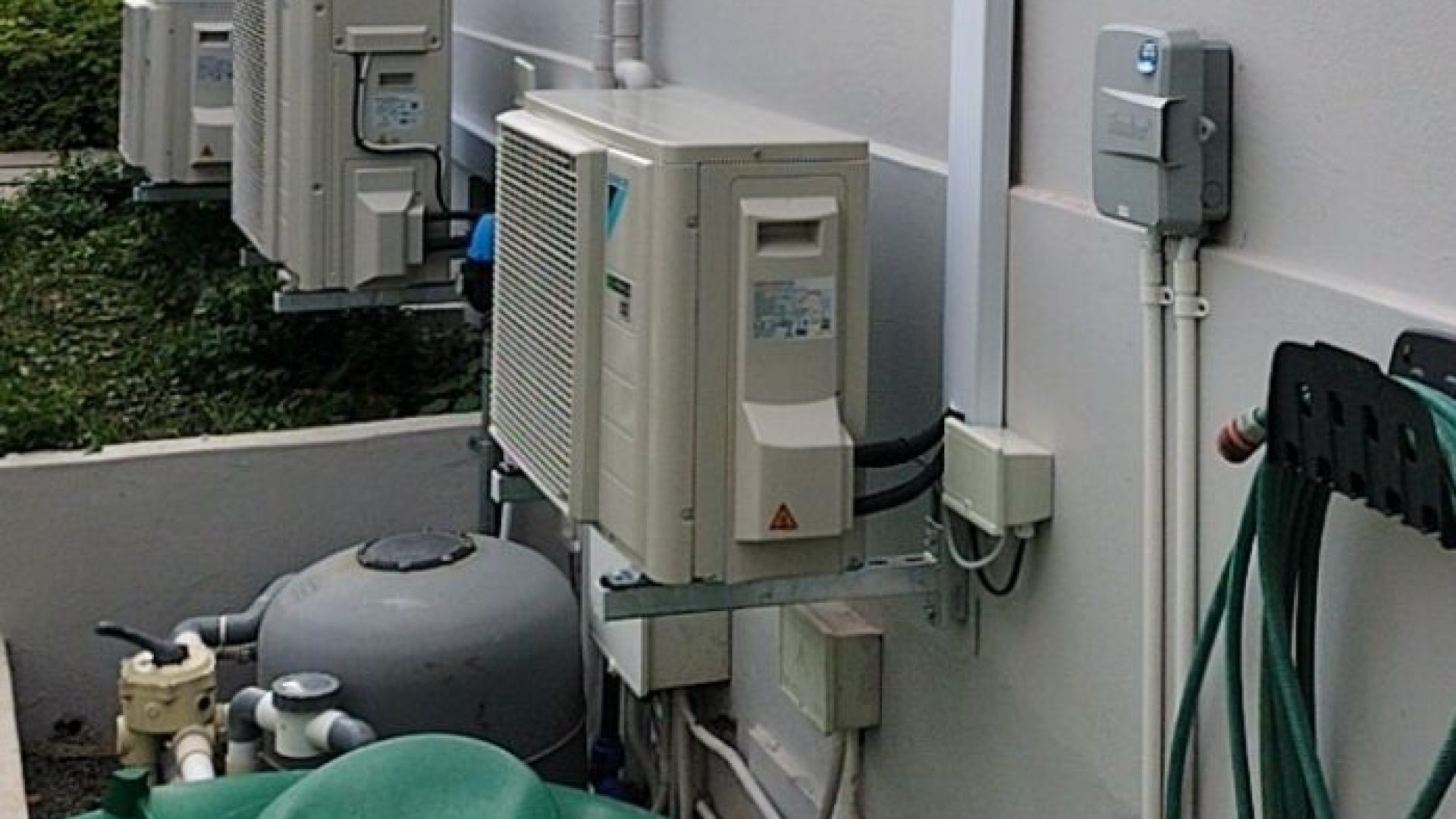
Outdoor units are responsible for releasing heat and supporting the indoor system. Their position affects efficiency, noise levels, and durability.
Allowing Proper Airflow
Outdoor units need space around them. Restricted airflow forces the system to work harder, reducing efficiency and increasing wear.
Clear space on all sides helps the unit operate smoothly and consistently.
Coastal Conditions and Corrosion Risk
Cape Town’s coastal air contains salt, which accelerates corrosion. Units placed directly in the path of sea winds are exposed to faster wear.
Positioning outdoor units in partially sheltered areas helps reduce long term damage. Areas under eaves or protected by airflow friendly screening offer better longevity.
Noise Considerations
Outdoor units generate sound. While modern systems are quieter, placement near bedrooms or relaxation areas can still be disruptive.
Positioning units away from windows and quiet zones improves comfort inside the home.
Airflow Patterns and Temperature Balance
Comfort depends on how air moves, not just the temperature setting.
Preventing Hot and Cold Spots
Poor placement creates uneven temperatures. Some areas feel too cold while others remain warm.
Strategic placement allows air to circulate evenly and reach every part of the room.
Ceiling Height and Room Shape
Rooms with high ceilings or open plan layouts need thoughtful placement. Cool air naturally settles while warm air rises.
Correct positioning ensures conditioned air stays where people live, not trapped near the ceiling.
Common Placement Mistakes Homeowners Make
Many installation issues come from small assumptions.
Placing units purely for visual symmetry
Choosing walls without considering airflow
Ignoring sun direction during the day
Installing outdoor units in tight corners
These choices often lead to reduced comfort and higher running costs.
Placement Considerations for Cape Town Homes
Local climate plays a major role in system performance.
Homes experience hot dry summers, cool evenings, coastal winds, and seasonal temperature swings. Placement must account for these factors.
Sun exposure changes throughout the day. Wind direction affects outdoor units. Salt air impacts durability.
Homes near the ocean face different challenges than inland properties. There is no single placement rule that works for every location.
Why Professional Installation Makes the Difference
Professional installers consider more than wall space.
They assess room size, layout, insulation, window placement, ceiling height, and airflow paths. They also evaluate outdoor exposure and long term maintenance access.
This planning ensures the system performs as intended from day one.
Supporting Long Term Comfort After Installation
Placement is the foundation, but comfort continues with proper care.
Regular servicing keeps airflow efficient.
Correct sizing prevents overworking the system.
Seasonal adjustments maintain balance year round.
Together, these factors help maintain steady comfort and energy efficiency.
Comfort Starts with Smart Installation Choices
Air conditioning comfort is not accidental. It begins with thoughtful decisions made before the unit is mounted.
Proper placement improves performance, reduces energy use, and extends system lifespan. It also creates a home that feels consistently comfortable instead of constantly adjusted.
When placement is planned correctly, the air conditioner blends into daily life. It works quietly, efficiently, and reliably.
And that is what real comfort feels like.
