

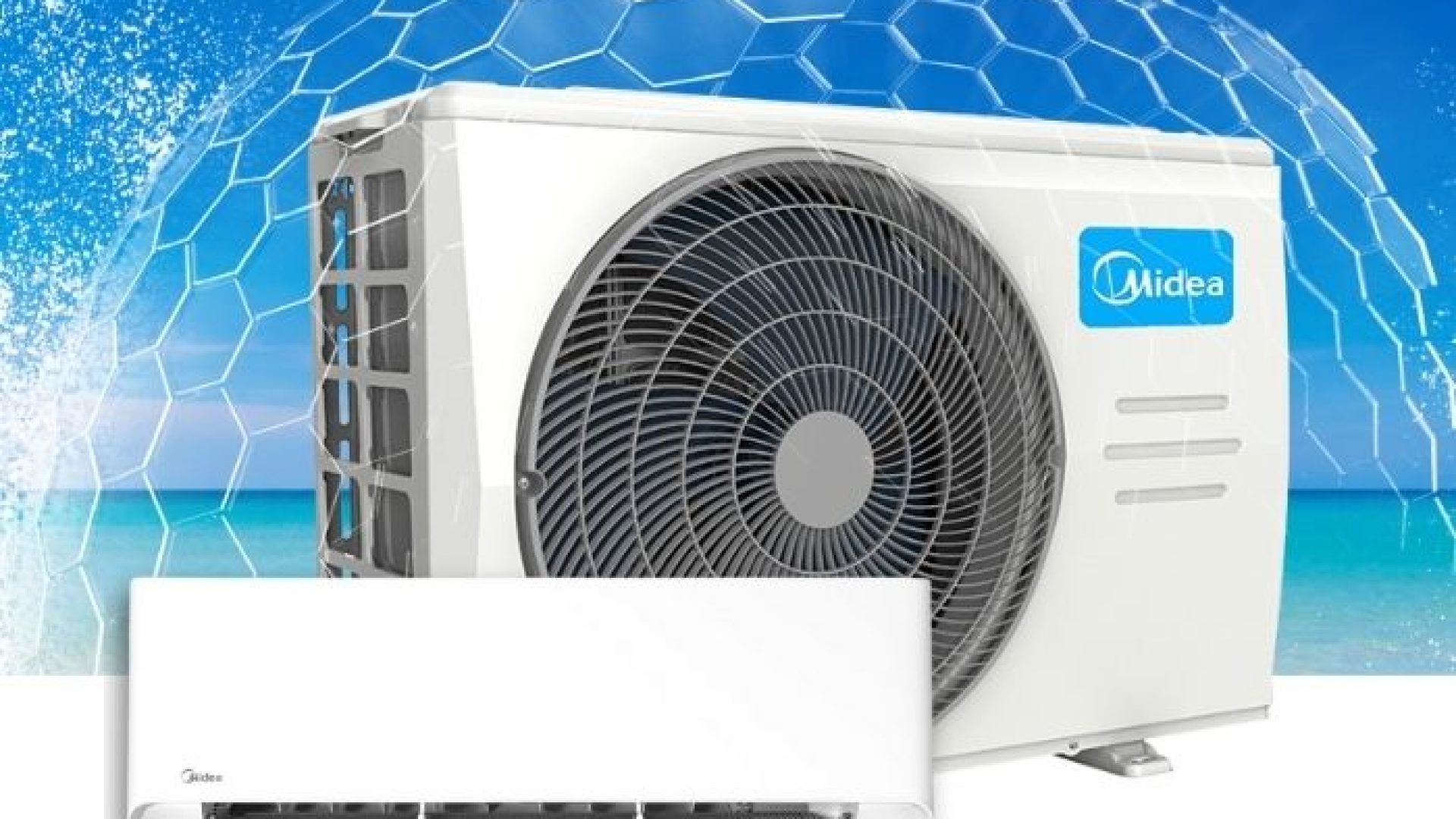


Midea Breezeless E Air Conditioning in Cape Town: Built to Withstand Coastal Conditions
Cape Town summers place serious pressure on homes and businesses. Afternoon heat builds quickly in north-facing rooms. Glass-heavy offices trap warmth throughout the day. Apartments near the ocean deal with humidity and salty air that shorten the lifespan of outdoor equipment. In winter, cold fronts roll in from the Atlantic, bringing damp conditions that make indoor spaces uncomfortable and difficult to heat efficiently.
Many air conditioners work well for a few years, then begin struggling in coastal conditions. Corrosion develops on outdoor components. Airflow becomes harsh and unpleasant. Electricity consumption increases. For property owners already dealing with rising Eskom tariffs and recurring load-shedding, replacing failed systems becomes an expensive problem.
The Midea Breezeless E was developed to solve many of these issues. It combines inverter-driven efficiency, draft-free airflow, and corrosion-resistant outdoor protection in a system designed for modern living near the coast. For homeowners and businesses in Cape Town, this matters far more than marketing language or smart app features. The real question is whether the unit performs reliably in local conditions over the long term.
Why Coastal Homes in Cape Town Need Different Air Conditioning
Air conditioning systems installed near the coast face very different environmental conditions compared to inland properties. Salt particles carried by ocean air settle onto outdoor condenser units every day. Over time, this creates corrosion on coils, fins, and metal components. The process accelerates in suburbs closer to the sea, particularly areas like Bloubergstrand, Sea Point, Camps Bay, Mouille Point, Fish Hoek, Strand, and Muizenberg.
Cape Town’s climate also shifts dramatically through the year. Summers are dry and warm, often combined with strong Berg winds that push temperatures above 35°C in some suburbs. Winters become cold and wet, with persistent rain and moisture creating damp indoor conditions. A basic cooling-only unit often struggles to handle these seasonal changes efficiently. This is where the Midea Breezeless E separates itself from entry-level systems. The outdoor unit includes anti-corrosion protection specifically intended for coastal environments. Midea’s graphene-coated protection system helps reduce deterioration caused by salty air exposure. According to manufacturer testing, the system resists extended salt spray exposure better than conventional untreated units.
For Cape Town homeowners, this directly affects long-term reliability and maintenance costs. Outdoor units exposed to coastal air often fail earlier than expected if they lack protective coatings or proper installation methods.
Draft-Free Cooling Changes Everyday Comfort
Traditional wall-mounted air conditioners often create one common complaint: direct cold airflow. You feel the air hitting your face, neck, or body continuously while sitting in a lounge, bedroom, or office. Many people reduce cooling performance simply to avoid the discomfort. The Midea Breezeless E uses a different airflow design. Thousands of micro-holes across the front louvre diffuse airflow instead of forcing a concentrated stream directly into the room. Midea refers to this as Breezeless technology.
In practical terms, this creates a softer indoor climate that feels more balanced. This becomes especially valuable in bedrooms where direct airflow can disrupt sleep or create dry throats and sinus irritation overnight. It also works well in home offices where occupants remain seated in one position for extended periods. Cape Town homeowners increasingly use air conditioning throughout the year rather than only during peak summer months. A system that delivers gentle heating and cooling becomes far more usable on a daily basis.
Energy Efficiency Matters More Than Ever in South Africa
Electricity prices in South Africa continue climbing each year. Many households now think carefully before switching on heating or cooling systems. Older non-inverter air conditioners consume large amounts of electricity because they constantly start and stop at full output.
The Midea Breezeless E operates with inverter technology, meaning the compressor adjusts output continuously rather than cycling aggressively. This reduces unnecessary energy spikes and helps maintain more stable room temperatures.
The system also uses AI-driven energy management designed to adapt operation according to environmental conditions and usage patterns. Midea claims energy savings of up to 20% through adaptive optimisation. For South African households dealing with Eskom instability and load-shedding, this creates several advantages. After power restoration, inverter systems generally recover more smoothly and efficiently than older fixed-speed units. Lower power consumption also reduces strain on backup power systems such as inverters and solar battery installations.
At Cape Climate, many clients now request air conditioning systems specifically because they integrate more efficiently with residential solar systems. Modern inverter units draw less startup current, making them easier to support through hybrid solar installations and backup battery setups.
Choosing the Correct Size for Your Room
One of the biggest installation mistakes in South Africa is incorrect sizing. Oversized units cycle inefficiently and create humidity issues. Undersized systems struggle continuously and consume more electricity trying to maintain temperature.
As a general guideline:
- A 9000 BTU system, roughly 2.6 kW, suits bedrooms or offices between 15 m² and 18 m².
- A 12000 BTU system, around 3.5 kW, works well for spaces between 20 m² and 30 m² depending on ceiling height, insulation, and window exposure.
- Larger open-plan living spaces may require 18000 BTU or 24000 BTU systems.
These recommendations change depending on factors like west-facing glass, double-volume ceilings, insulation quality, occupancy levels, and direct afternoon sunlight. Cape Town properties often feature large glazing systems designed to maximise mountain or ocean views. While visually appealing, these spaces absorb significant heat during summer afternoons. Proper sizing becomes essential. Cape Climate typically conducts on-site assessments before recommending system capacity because room dimensions alone rarely tell the full story.
Heating Performance During Cape Town Winters
Many people still associate air conditioning only with cooling, but modern inverter systems provide efficient heating as well. Cape Town winters create unique indoor comfort problems. The city rarely experiences extreme low temperatures, but damp air and persistent moisture make homes feel colder than the actual temperature reading suggests. Portable heaters consume large amounts of electricity while producing uneven heating. The Midea Breezeless E includes heat pump functionality that efficiently warms indoor spaces during winter. Heat Flash technology rapidly increases room temperature during startup, making it useful during cold early mornings or evening weather fronts. For homeowners working remotely or businesses operating through winter months, efficient heating can significantly improve indoor comfort without excessive energy usage.
Installation Quality Determines Long-Term Performance
Even the best air conditioner performs poorly if installed incorrectly. Coastal installations require additional attention to positioning, drainage, mounting brackets, airflow clearance, and corrosion exposure. Outdoor units installed too close to direct sea spray deteriorate faster. Poor drainage setup creates water accumulation during winter rainfall. Incorrect refrigerant charging affects efficiency and compressor lifespan. Cape Climate has installed and serviced systems across Cape Town and the Western Cape for more than a decade. That experience matters because local conditions vary dramatically between suburbs. A system installed in Clifton faces different environmental exposure compared to a property in Durbanville or Paarl. Professional installation also protects warranty coverage and system efficiency over time.
Smart Features That Actually Add Value
Many modern appliances include smart features that sound impressive but add little real-world benefit. The Midea Breezeless E includes several functions that genuinely improve usability. WiFi connectivity allows users to control temperature remotely through the MSmartHome app. This becomes useful for homeowners wanting to cool bedrooms before arriving home or manage energy usage more effectively during the day.
The system also includes self-cleaning functionality that helps reduce moisture and bacterial buildup inside the indoor unit. In humid coastal environments, this helps maintain cleaner airflow and reduces odours developing over time. Air Magic+ filtration technology further improves indoor air quality by reducing airborne contaminants.
Why the Midea Breezeless E Fits Modern Cape Town Homes
Modern homes and apartments increasingly prioritise open-plan layouts, clean interior aesthetics, and quiet operation. Air conditioners that produce excessive noise or harsh airflow often feel intrusive within these spaces. The Midea Breezeless E suits contemporary homes because it focuses heavily on comfort rather than simply aggressive cooling performance. The softer airflow design works well in bedrooms, lounges, apartments, and executive office environments where occupants spend extended periods indoors.
For coastal homeowners, the corrosion-resistant outdoor design also addresses one of the biggest long-term concerns associated with air conditioning near the ocean. At Cape Climate, the demand for inverter-driven systems with coastal protection has increased sharply over the last few years. Property owners increasingly want systems that balance efficiency, comfort, reliability, and durability instead of simply choosing the cheapest available unit.
Frequently Asked Questions
Is the Midea Breezeless E good for homes near the ocean?
Yes. The outdoor unit includes anti-corrosion protection designed to withstand coastal conditions and salty air exposure better than standard systems.
Does the Breezeless E use less electricity?
The inverter system and AI energy management help reduce electricity usage compared to older non-inverter systems. Actual savings depend on room size, insulation, and usage patterns.
Can the unit heat rooms during winter?
Yes. The system includes efficient heating functionality suitable for Cape Town winters and damp coastal conditions.
What size room can a 12000 BTU unit cool?
A 12000 BTU system generally suits rooms between 20 m² and 30 m², depending on layout and sunlight exposure.
Is the airflow really different from standard air conditioners?
Yes. The micro-hole airflow system diffuses air more gently, reducing the harsh direct airflow common with conventional wall-mounted systems.
Does the system work with solar power setups?
Modern inverter systems typically work better with solar and backup power systems because they use energy more efficiently and reduce startup demand.
How often should coastal air conditioners be serviced?
Coastal systems should ideally receive professional servicing at least once per year to remove salt buildup and maintain efficiency.
If you live in Cape Town or anywhere in the Western Cape and want an air conditioning system built to withstand coastal conditions while reducing harsh airflow and energy usage, contact Cape Climate to arrange an on-site assessment. Their team can recommend the correct Midea Breezeless E system for your space, calculate the right capacity for your property, and handle professional installation backed by local experience.
