



Why Is One Office Freezing While Another Is Still Too Hot?
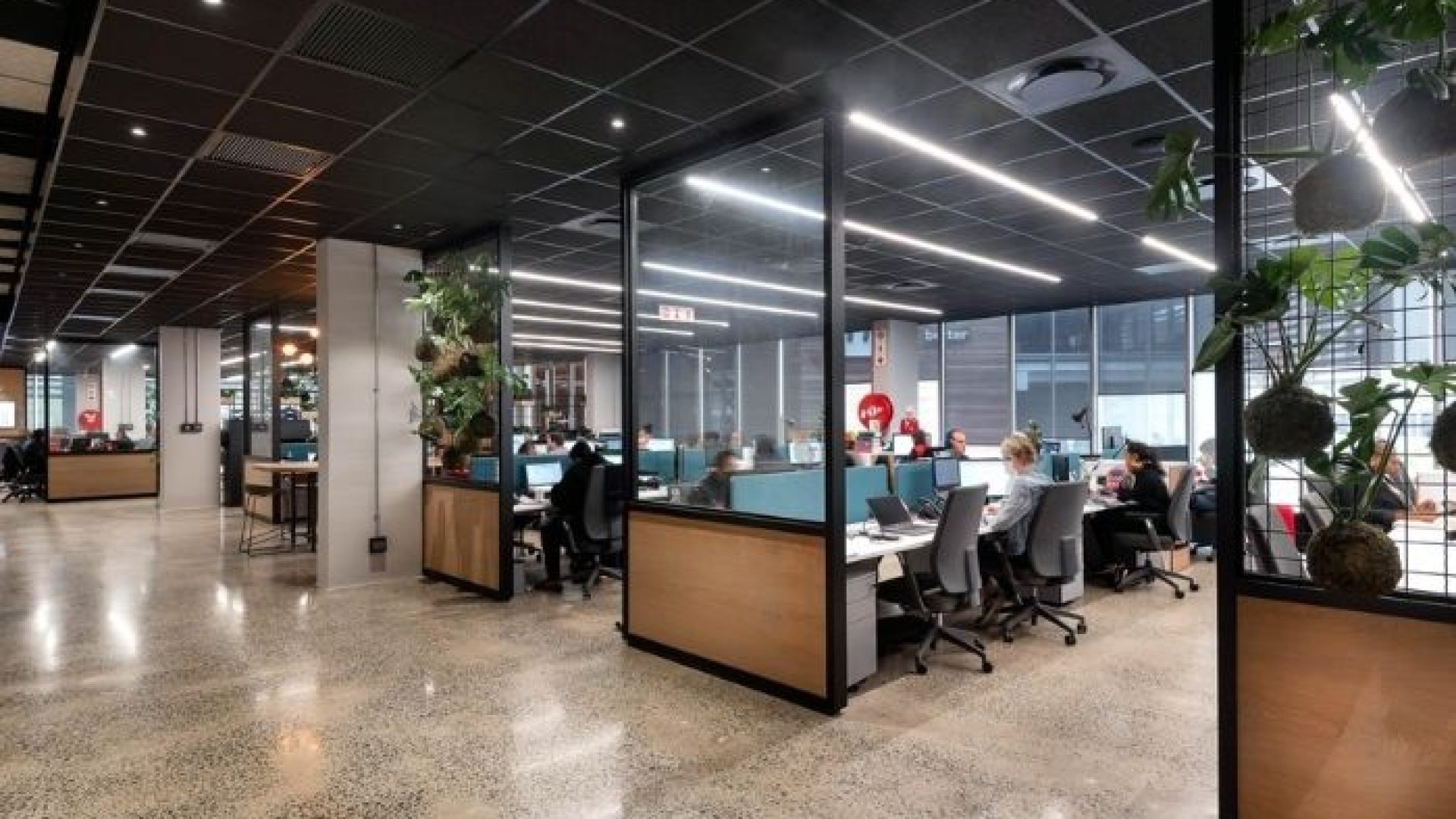
If you manage an office, you may know the situation all too well. Someone is reaching for a jacket because the aircon is making their desk unbearably cold, while a colleague across the room is opening a window because their workspace feels stuffy and warm. The meeting room is uncomfortable by lunchtime, the sunny office gets progressively hotter during the afternoon, and the area around the computers seems to hold onto heat long after the rest of the building has cooled down. Everyone is working in the same office, but nobody seems to agree on the temperature.
This is more than a minor workplace annoyance. Uneven temperatures can make it difficult for employees to concentrate, create regular disagreements over thermostat settings and leave business owners wondering why their air conditioning never seems to get things right. In some cases, the system may be working as intended, but the layout of the office, the movement of air or the way different areas are used is making consistent comfort difficult to achieve. For businesses looking for commercial aircon solutions in Cape Town, the answer is not always to turn the temperature down or install a bigger unit. A better starting point is understanding why different areas behave differently and whether the existing air conditioning setup is suited to the way the office actually operates.
Why Different Areas of the Same Office Feel Different
An office may look like one large, open space on a floor plan, but that does not mean every area experiences the same conditions. Sunlight entering through large windows can heat one side of the building, while an interior office with limited natural light remains cooler. Meeting rooms can become warm when several people occupy them for an extended period, while quieter areas may need very little cooling at the same time. Computers, printers, servers and other equipment also release heat, adding to the demands placed on the air conditioning system.
The building itself plays a role as well. Ceiling height, insulation, window size, partition walls and the location of doors can all influence how heat builds up and how conditioned air moves through a workplace. In Cape Town, where sunny afternoons, seasonal temperature changes and the South Easter can affect building conditions, these differences can become especially noticeable during periods of high demand.
The important thing to understand is that a thermostat measures conditions at a particular location. It cannot automatically tell whether a meeting room at the opposite end of the office is too warm or whether a workstation near a window is receiving too much direct airflow. If the system is controlled from one point, it may satisfy that area while leaving other parts of the office uncomfortable. A professional assessment looks at the office as a working environment rather than assuming that one temperature setting will solve every problem.
Meeting Rooms Need Different Temperature Control
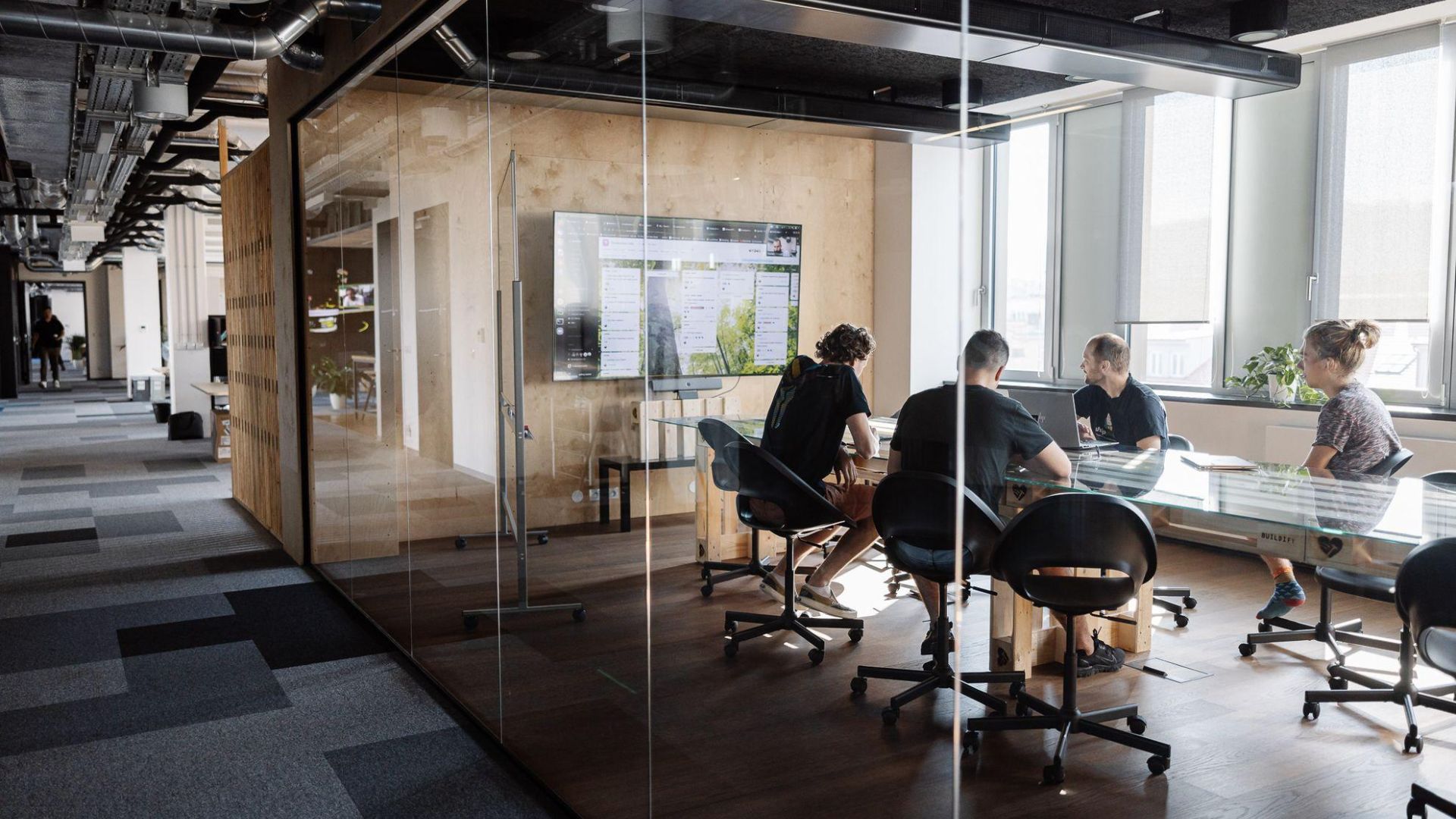
Meeting rooms are a common source of hot spots, particularly in offices where several people gather for presentations, planning sessions or client meetings. A room that feels comfortable when empty can become noticeably warmer once people arrive, laptops are switched on and the door remains closed throughout a long meeting. If the room has limited ventilation or receives direct sunlight, the temperature can rise even faster.
The problem becomes more noticeable when a meeting room shares an air conditioning system with a much larger office area. The main workspace may reach its target temperature while the meeting room continues to feel warm, leaving employees tempted to lower the thermostat for the entire office. This can make other areas too cold without properly addressing the conditions inside the meeting room.
Businesses should consider how frequently their meeting rooms are used, how many people typically occupy them and whether their existing system can respond to changing conditions. Depending on the building and its layout, a separate indoor unit, independent temperature control or a different distribution arrangement may be worth assessing. The right solution depends on the existing equipment and the way the room is used, rather than simply choosing a lower temperature setting.
Sunny Offices and Window Heat Gain
A workspace with large windows can feel comfortable in the morning and become one of the warmest areas in the building by mid afternoon. Direct sunlight heats desks, flooring, furniture and other surfaces, while the amount of heat entering through the glass can create a greater cooling demand than the same office experiences on a shaded side of the building.
This is particularly relevant for Cape Town offices with west facing windows, where afternoon sun can make indoor conditions uncomfortable even when the outdoor temperature does not seem especially high. Employees may lower the aircon setting in an attempt to compensate, but the unit still has to deal with the additional heat entering the space. Meanwhile, colleagues working away from the windows may find the resulting airflow too cold.
Before changing the system, businesses can look at practical ways to reduce the heat entering the affected area. Suitable blinds or solar shading may help limit direct sunlight, while reviewing desk layouts can prevent employees from sitting in the path of strong airflow. If the area continues to struggle, a professional assessment can establish whether the current air conditioning arrangement can handle the conditions or needs to be adjusted.
Equipment Rooms and Areas with High Heat Loads
Modern offices depend on equipment that generates heat throughout the working day. Computers, monitors, printers, networking equipment and other electrical devices can add to the cooling demand, particularly where several machines operate together in a confined space. In larger workplaces, dedicated server or equipment rooms may require more careful temperature management because the equipment operates continuously and can be sensitive to excessive heat.
These areas should not automatically be treated like ordinary offices. A small room filled with equipment may have different cooling requirements from a larger open plan workspace with fewer heat producing devices. The operating hours also matter, especially if equipment remains switched on overnight while the main office air conditioning is turned off.
Businesses should identify where heat producing equipment is concentrated and discuss those requirements during an air conditioning assessment. A dedicated cooling arrangement may be appropriate in some circumstances, but server rooms and critical equipment spaces can require more specialised planning than a standard office installation. The system must be suitable for the equipment, operating conditions and level of temperature control required. It is also important to distinguish ordinary workplace comfort from equipment protection. If a server room has strict temperature or humidity requirements, a general office aircon should not be assumed to provide the level of control the equipment needs.
Open Plan Offices and Uneven Airflow
Open plan offices can create their own temperature challenges because a large shared space does not always have an even airflow pattern. Desks, partitions, shelving, meeting pods and changes in ceiling height can influence how conditioned air travels through the room. An indoor unit may cool one section effectively while air struggles to reach another area, leaving employees at opposite ends of the office experiencing very different conditions.
The location and direction of the air outlets are important, but so is the space around them. If furniture or partitions obstruct airflow, the air may circulate within one section rather than spreading across the intended area. Strong airflow directed at a workstation can also make that person feel cold even when the overall room temperature is reasonable. Simply increasing the fan speed may not solve the problem if the underlying issue is how the air moves through the office.
Businesses should look at where employees experience discomfort, whether the problem occurs throughout the day and how the affected areas relate to the indoor units. These observations help an installer identify whether the issue may involve airflow distribution, unit positioning, system capacity or another factor that needs further investigation.
Cape Climate’s air conditioning installation service includes commercial solutions for offices and other business premises, with site assessments that consider the building layout, insulation, sun exposure and airflow before a suitable setup is recommended.
Why One Thermostat Setting Cannot Fix Every Problem
When employees disagree about the temperature, the thermostat often becomes the centre of the argument. One person lowers the setting, another raises it, and the cycle continues throughout the day. Although adjusting the temperature can help in some situations, it cannot correct every cause of uneven comfort. If one side of the office receives direct sunlight while another remains shaded, the same setting may not feel right in both areas. If an indoor unit directs cold air straight towards a desk, the employee sitting there may feel uncomfortable even when the rest of the room is at a suitable temperature. Similarly, a meeting room that fills with people during the afternoon may need a different response from a quiet office that is rarely occupied.
The first step is to identify the pattern rather than repeatedly changing the controls. Businesses can record which areas feel too hot or cold, when the problem occurs and whether it changes with occupancy, sunlight or equipment use. This gives the installation team useful information when assessing the system. Where the equipment supports independent control of different indoor units, separate settings may help improve comfort across the workplace. However, independent controls alone will not resolve poor positioning, restricted airflow or an incorrectly configured system. The controls and the physical layout need to work together.
Could Your Office Benefit from Zoned Air Conditioning?
Zoned air conditioning is an approach that allows different areas to be controlled independently, depending on the type of system installed. Rather than relying on a single temperature setting for an entire workplace, a suitable zoned arrangement can provide greater flexibility for spaces with different occupancy patterns or cooling demands. For example, a meeting room may need cooling during scheduled meetings but very little conditioning when it is empty. An open plan workspace may require consistent comfort throughout working hours, while a separate equipment area may have different operating requirements. A system designed to accommodate these differences can help businesses manage each area more appropriately, provided it is correctly specified and installed.
The available options depend on the property. Some offices may benefit from multiple indoor units with individual controls, while larger or more complex premises may need a commercial system designed to serve several zones. Not every existing installation can be converted to independent control without additional equipment or changes to the system, so compatibility needs to be checked before any upgrades are planned. Zoning is not simply about giving everyone their preferred temperature. It is about matching the air conditioning setup to the actual use of the building, improving comfort where it is needed and avoiding unnecessary conditioning in areas that are not being used. For businesses planning an office fit out, expansion or aircon upgrade, discussing zoning early can help prevent recurring hot and cold spots later.
Practical Steps to Take Before Replacing Your Office Aircon
If your office has persistent temperature differences, it is worth investigating the cause before assuming the entire system needs to be replaced. Start by identifying the affected areas and recording when the problem occurs, because a meeting room that becomes uncomfortable only when full may require a different solution from a workstation that remains cold throughout the day. Check whether filters are visibly dirty and whether anything is obstructing the indoor unit’s airflow. Restricted airflow can affect performance, although cleaning filters will not resolve every problem. Take note of any changes in the office layout, such as new partitions, additional equipment, desks moved closer to an air outlet or a change in how the space is occupied. These changes can affect the way the existing system serves the building.
It is also worth considering whether the problem has developed gradually or appeared suddenly. A gradual change may be linked to the way the space is used, restricted airflow or a system that no longer suits the office’s requirements. A sudden change, particularly if an area stops cooling properly, may indicate a fault that needs professional attention. Avoid repeatedly lowering the thermostat to compensate for one uncomfortable zone, as this may make other parts of the office too cold without solving the original problem. If the system is struggling, arrange a professional assessment to determine whether maintenance, airflow adjustments, control changes or a broader system redesign would be the most appropriate next step.
When Should You Arrange a Commercial Aircon Assessment?
A professional assessment is worthwhile when temperature differences keep returning despite reasonable adjustments, when the office layout has changed or when employees regularly complain about uncomfortable work areas. It is also sensible when a business is adding meeting rooms, expanding its workforce, introducing heat producing equipment or planning a new office fit out, as these changes can affect how the building needs to be conditioned.
The assessment should consider more than the thermostat setting. The installer needs to understand how the office is divided, where heat enters the building, how many people use each area, what equipment operates there and how air currently moves through the space. The existing system should also be checked to establish whether it is operating correctly and whether its design is suitable for the demands being placed on it. Cape Climate provides commercial air conditioning solutions for offices, retail spaces, warehouses, clinics and other business environments across Cape Town and the Western Cape. A site assessment can help establish whether the best next step is to improve the existing setup or consider a different system arrangement, with recommendations based on the property rather than a one size fits all approach.

Keep Your Workplace Comfortable with the Right Aircon Setup
An office does not have to feel like several different climates under one roof. When hot and cold spots persist, the most useful approach is to understand what is causing them rather than continually changing the thermostat or expecting one setting to suit every employee and every room. Sunlight, meeting room occupancy, office equipment, airflow patterns and changes to the building layout can all influence workplace comfort. Once those factors have been identified, businesses can make more informed decisions about maintenance, unit positioning, temperature controls and whether a zoned or redesigned system would better suit the space.
For office managers and business owners, addressing these issues is about creating a workplace that is more comfortable and practical for everyday operations. The right commercial air conditioning setup should support the way your business works, rather than leaving staff to negotiate over the temperature every afternoon. If your Cape Town office has persistent hot and cold spots, contact Cape Climate to discuss your commercial air conditioning requirements and arrange a professional assessment. The team can help you understand what is happening in your workplace and identify a suitable way forward.
One office. Different zones. A smarter approach to comfort.
