

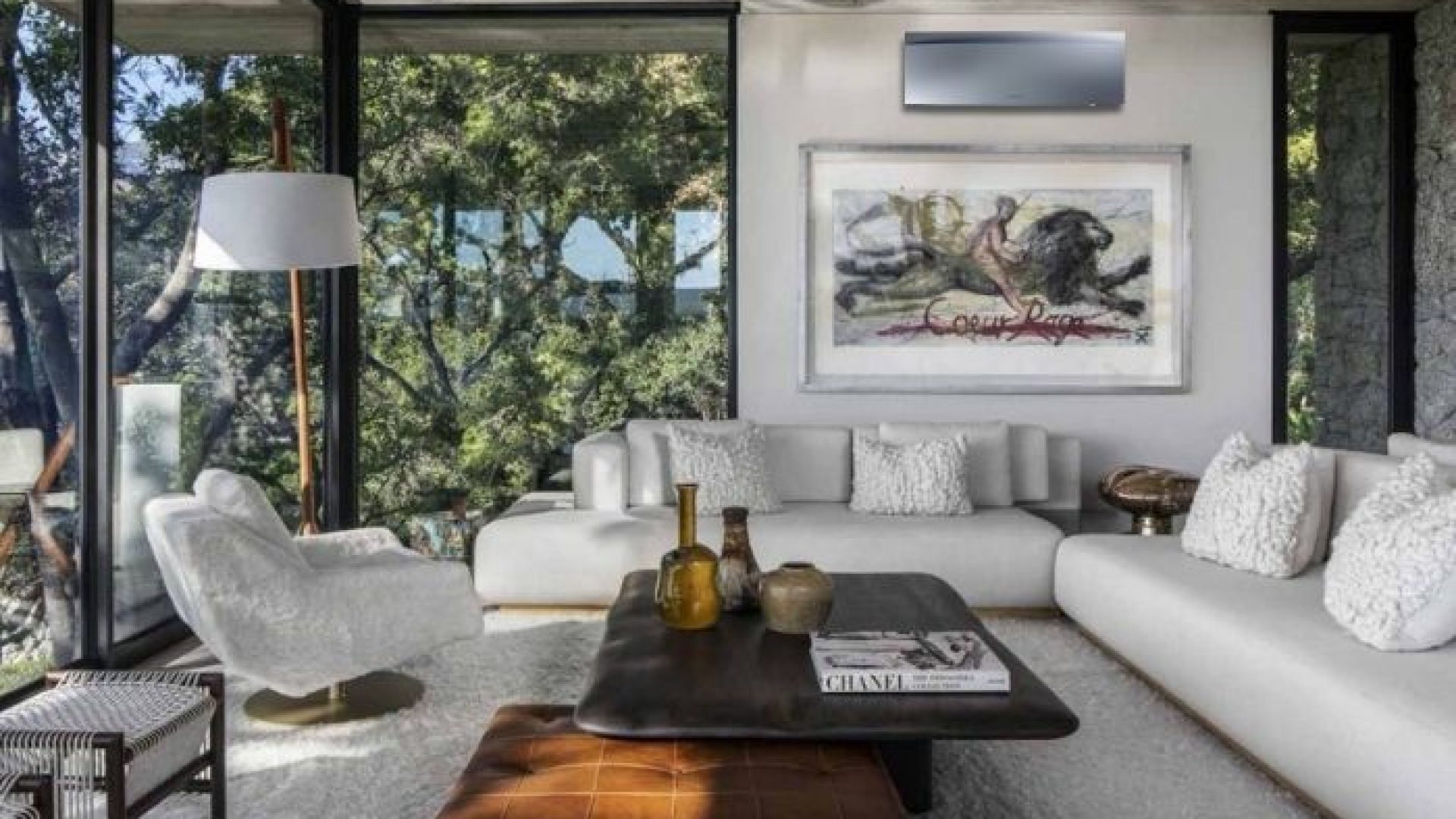


Summer in Cape Town Arrives Fast
One week you are reaching for a jacket in the morning and the next the South Easter is up, the sun is sitting high, and your home is noticeably warmer by midday. Cape Town’s transition from spring to summer does not ease in gradually. It arrives, and when it does, the homes that are ready for it feel the difference immediately.
Getting your home ready for summer cooling is not just about switching the aircon from heat to cool and hoping for the best. It is about understanding how your home heats up, what your aircon needs to do its job properly, and what you can do before the hottest days arrive to make the season more comfortable and less expensive to manage. The good news is that most of it takes very little time and costs nothing at all.
Understand How Your Home Heats Up
Before you can cool a Cape Town home effectively, it helps to know where the heat is coming from. Most homeowners assume the problem is outdoor temperature, but direct sun through glass is often the bigger driver. A north or west facing room with large windows can reach uncomfortable temperatures well before the outdoor thermometer hits its peak, because glass allows solar radiation to pass through and warm everything in the room directly.
Cape Town’s summer sun sits high in the sky during December and January, which means north facing rooms take significant direct sun through unshaded windows from late morning through the early afternoon. West facing rooms take the full force of afternoon sun from around 1pm onwards, which is why many Cape Town homes feel hottest in the late afternoon rather than at midday. Knowing which rooms in your home face which direction tells you exactly where your aircon is going to work hardest and where simple interventions like closing blinds at the right time of day will make the biggest difference to how much cooling the system needs to do.
Service Your Aircon Before Summer Peaks
If your aircon has been running in heating mode through winter and has not been serviced in the past twelve months, now is the right time to book that service before the summer cooling season begins. An aircon that is carrying a dirty filter, dust-covered coils, or a slightly low refrigerant charge works harder to deliver the same cooling output. It draws more electricity, takes longer to bring the room to the target temperature, and is more likely to develop a fault during the hottest weeks of the year when you need it most.
A professional service covers the indoor filter, the indoor and outdoor coils, refrigerant levels, electrical connections, and a full operational test in cooling mode. It takes a few hours and puts the system in the best possible condition for the season ahead. Cape Climate recommends servicing before summer and before winter, which aligns the system’s maintenance with the periods of heaviest use. Booking your service in September or October means you avoid the rush that comes when temperatures spike and every aircon owner suddenly realises theirs needs attention.
Clean or Replace the Filter Yourself Right Now
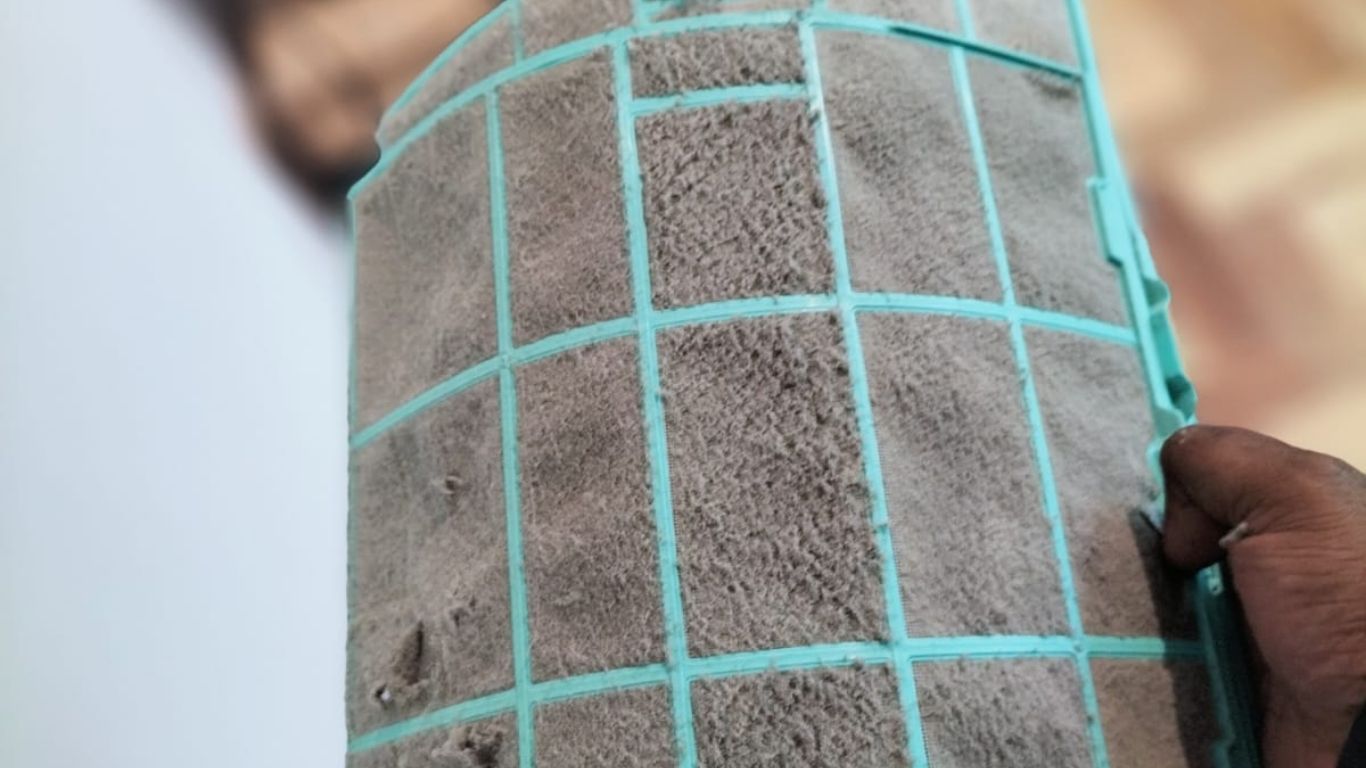
Even if a professional service is not due yet, check and clean the indoor unit filter today. This is the one maintenance task that every homeowner can do themselves and it has a direct impact on how well the system cools. The filter sits behind the front panel of the indoor unit and removes it for cleaning requires no tools on most models. Rinse it under cool water, allow it to dry fully, and slide it back into place.
A clogged filter restricts the airflow through the indoor unit. Restricted airflow means the indoor coil cannot exchange heat with the room air as efficiently as it was designed to, which reduces cooling output without reducing electricity consumption. Cleaning the filter is the single quickest way to improve cooling performance in a system that has been running through winter. During the summer months when the aircon runs more frequently, checking the filter every two to three weeks keeps it clear and the system performing as it should.
Set the System Up Correctly for Cooling Mode
Switching from heating to cooling on a reverse cycle aircon involves more than pressing the mode button. A few settings adjustments make a meaningful difference to how effectively and efficiently the system cools through summer.
Set the target temperature to between 22 and 24 degrees rather than pushing it to the lowest available setting. A room at 22 degrees is genuinely comfortable for most people, and the difference in electricity consumption between 22 degrees and 18 degrees over a full summer is significant. The aircon reaches a lower set temperature by running at higher output for longer, which adds directly to the monthly bill without adding meaningfully to comfort. For every degree you raise the thermostat above the minimum, the system uses less electricity to maintain the room.
In cooling mode, point the louvres on the indoor unit horizontally or slightly upward. This is the opposite of what works in heating mode. Cool air is denser than warm air and sinks naturally, so directing the airflow horizontally allows it to fall across the room as it travels rather than pooling near the unit. Directing the louvres downward in cooling mode concentrates cold air at floor level near the unit and leaves the rest of the room warmer than it needs to be.
Set the fan to auto rather than a fixed speed. Auto fan speed allows the system to run the fan quickly to reach the target temperature and then slow it down once the room is comfortable. A slower fan in maintenance mode is quieter and uses less electricity than holding a fixed medium or high speed setting throughout the cooling cycle.
Use Blinds and Curtains as Your First Line of Defence
The most effective way to reduce the cooling load on your aircon is to stop heat from entering the room in the first place. Window coverings do this more effectively than most homeowners realise. Closing blinds or curtains on north and west facing windows before the direct sun hits them reduces the amount of solar radiation entering the room and keeps the indoor temperature significantly lower before the aircon even needs to respond.
The timing matters. Closing blinds after a room has already heated up through direct sun is far less effective than closing them before the sun reaches that window. For north facing rooms in Cape Town, closing the blinds by 10am prevents the heat from building through the middle of the day. For west facing rooms, closing them by midday stops the afternoon sun from turning the room into an oven by 3pm. Combining this habit with your aircon’s timer function so the system begins cooling just before the blinds no longer contain the heat on their own gives you the most comfortable and cost effective result.
Heavier curtains, cellular blinds, and reflective window film all outperform standard thin curtains for heat reduction. If your home has large single glazed windows on the north or west facing walls, these are the rooms where window covering quality makes the biggest practical difference to summer comfort.
Use the Timer to Cool Smarter, Not Longer
One of the most underused features on any split aircon is the timer. Instead of switching the system on when a room already feels uncomfortably hot and running it until the room is cool, using the timer to begin cooling before the room reaches its peak temperature produces better results with less electricity.
Set your aircon to begin cooling the bedroom 30 to 45 minutes before you plan to sleep. The room reaches a comfortable temperature before you get into bed rather than needing to cool down around you after you are already trying to sleep. For a lounge that heats up through the afternoon, setting the timer to begin cooling at 3pm rather than 5pm means the room is comfortable when you arrive home rather than needing an hour of recovery time.
Most modern systems also allow you to set an off timer, so the aircon switches off automatically during the night when outdoor temperatures have dropped and the bedroom no longer needs active cooling to stay comfortable. Combining an on timer and an off timer gives you a cooling schedule that runs only during the hours it is genuinely needed rather than through the whole night.
Think About the Rooms You Use Most
Summer cooling does not need to mean cooling every room in the house simultaneously. Split aircons condition one zone at a time, and the most cost effective approach to summer cooling is running the aircon only in the rooms that are occupied at any given time.
Close the door of the room being cooled to keep the conditioned air from migrating into adjacent uncooled spaces. A closed room cools faster, reaches the target temperature with less effort from the system, and holds that temperature for longer once the system moves into its maintenance phase. An open plan lounge that connects to a hallway, kitchen, or passage requires more from the aircon than a closed room of the same size, because the air volume is larger and the boundary is less defined.
If your home has a room that is not used during the day, there is no value in cooling it. Directing your cooling to the spaces where people are actually present is the simplest way to keep electricity consumption manageable through a Cape Town summer without compromising comfort in the rooms that matter.
Check That the Outdoor Unit Is Clear
Before the summer cooling season begins, take a few minutes to check the outdoor unit of your split aircon. Over winter, leaves, dirt, and garden debris can accumulate around the base of the unit or across the top of the casing. The outdoor unit needs clear airflow around it to work efficiently in cooling mode. Restricted airflow forces the outdoor coil to work harder to reject heat, which reduces the efficiency of the entire system and can cause the compressor to overheat in extreme cases.
Clear any plant growth that has encroached around the unit, remove debris from around the base, and check that nothing is leaning against or covering any of the panels. If the unit is mounted on a wall bracket in a coastal area, check the coil fins for any visible corrosion and mention it to Cape Climate when you book your next service. Catching early corrosion before it progresses is far cheaper than replacing an outdoor unit that has been left to deteriorate.
Frequently Asked Questions
When is the best time to book an aircon service before summer in Cape Town? September and October are ideal. Booking before the temperature spikes means you avoid the peak demand period when Cape Climate’s installation and service schedule fills up quickly. A service completed before summer ensures the system is performing at full capacity when you need it most.
What temperature should I set my aircon to in summer? Between 22 and 24 degrees is comfortable for most Cape Town homes and is efficient to maintain. Setting the temperature lower than this increases electricity consumption without meaningfully improving comfort for most people.
Why is my aircon taking longer to cool the room than it did last summer? The most likely causes are a dirty filter restricting airflow, dust build-up on the indoor or outdoor coil reducing heat exchange efficiency, or a refrigerant level that has dropped slightly below optimal. A professional service usually resolves all three.
Should I close windows and doors when the aircon is running? Yes. Closing the room being cooled keeps the conditioned air contained and allows the system to reach and maintain the target temperature with less effort. Open windows and doors allow warm air to enter and conditioned air to escape, which means the system runs continuously without achieving a stable comfortable temperature.
Can I use my aircon to cool the whole house at once? A single split aircon conditions one zone. For whole house cooling, Cape Climate can advise on the number and placement of units needed to cover the spaces you use most. Multi-split systems can connect multiple indoor units to a single outdoor unit, which may suit homes where outdoor unit placement is limited.
Does closing blinds really make a difference to how hard the aircon works? Yes, significantly. Direct solar radiation through glass is one of the primary drivers of indoor heat gain in Cape Town homes during summer. Closing blinds or curtains before the sun reaches a window reduces the heat load in the room, which means the aircon starts from a lower base temperature and uses less energy to bring the room to the target.
Get Ahead of Summer Before It Gets Ahead of You
Cape Town’s best summer days should be spent enjoying the city, not fighting with a struggling aircon in a room that never quite gets comfortable. The steps that make the biggest difference, a pre-summer service, a clean filter, the right settings, smart use of blinds and timers, and clear outdoor unit access, are all straightforward and most of them cost nothing. If your current system is due for a service, is undersized for the rooms you are trying to cool, or you are installing for the first time ahead of this summer, contact Cape Climate now to book your site assessment and get the right advice before the heat arrives.
Cape Climate is a Cape Town based air conditioning and solar installation company. We supply and install Daikin, Samsung, Midea, and LG systems for residential and commercial clients across the Cape Peninsula.
